

Lion City Exotics
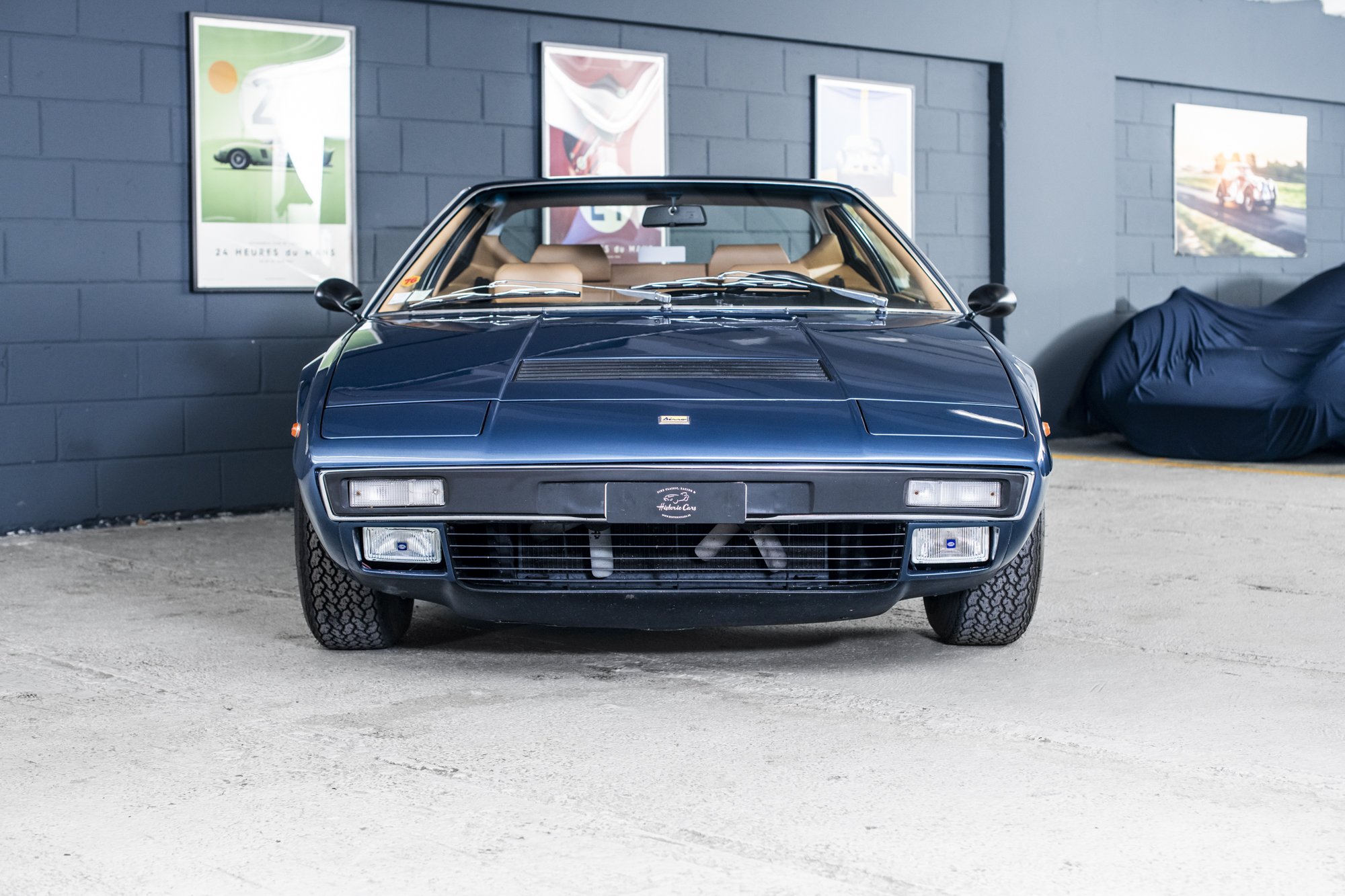
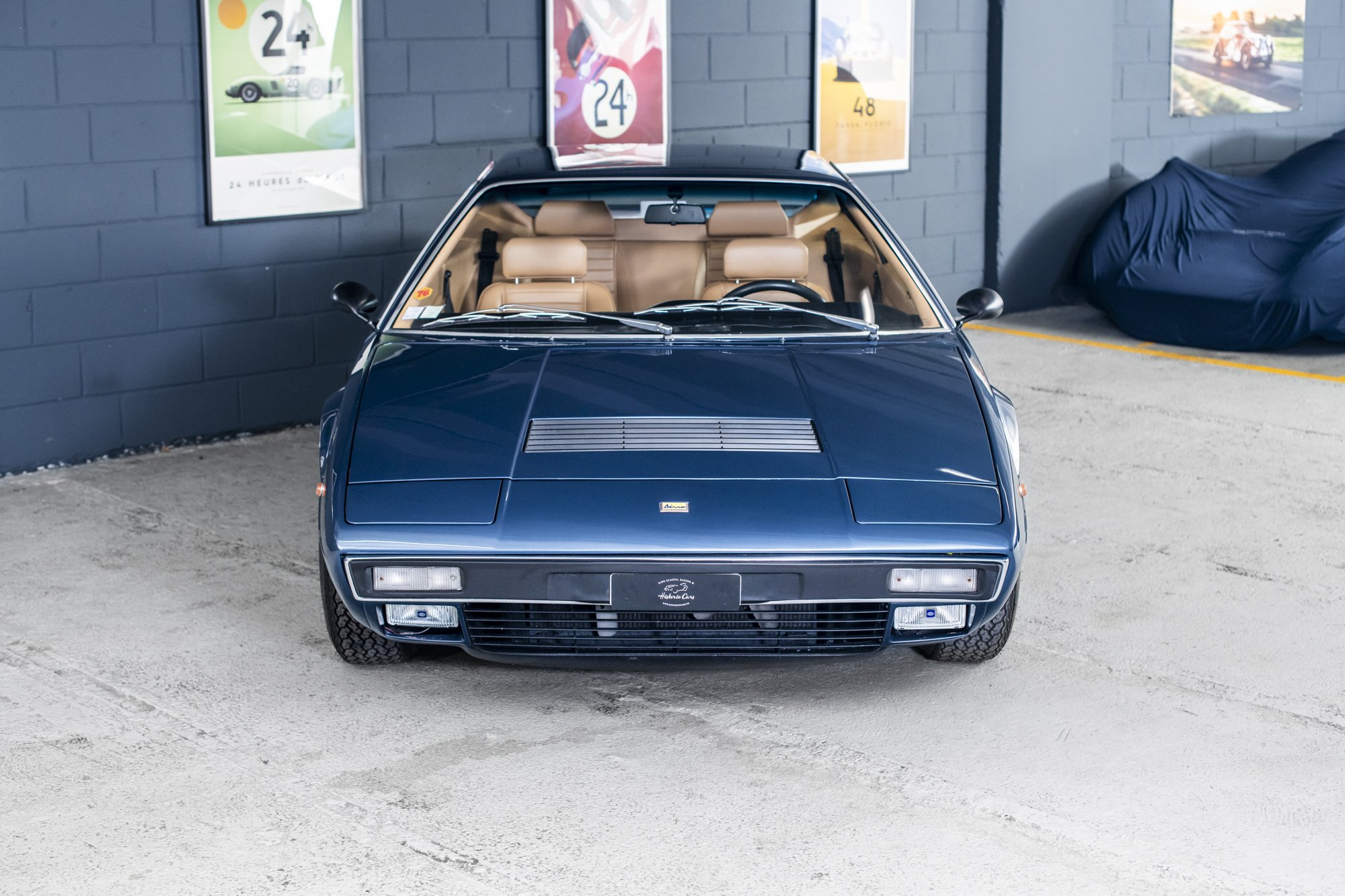
1976 Ferrari 308 GT4
$90,927.00
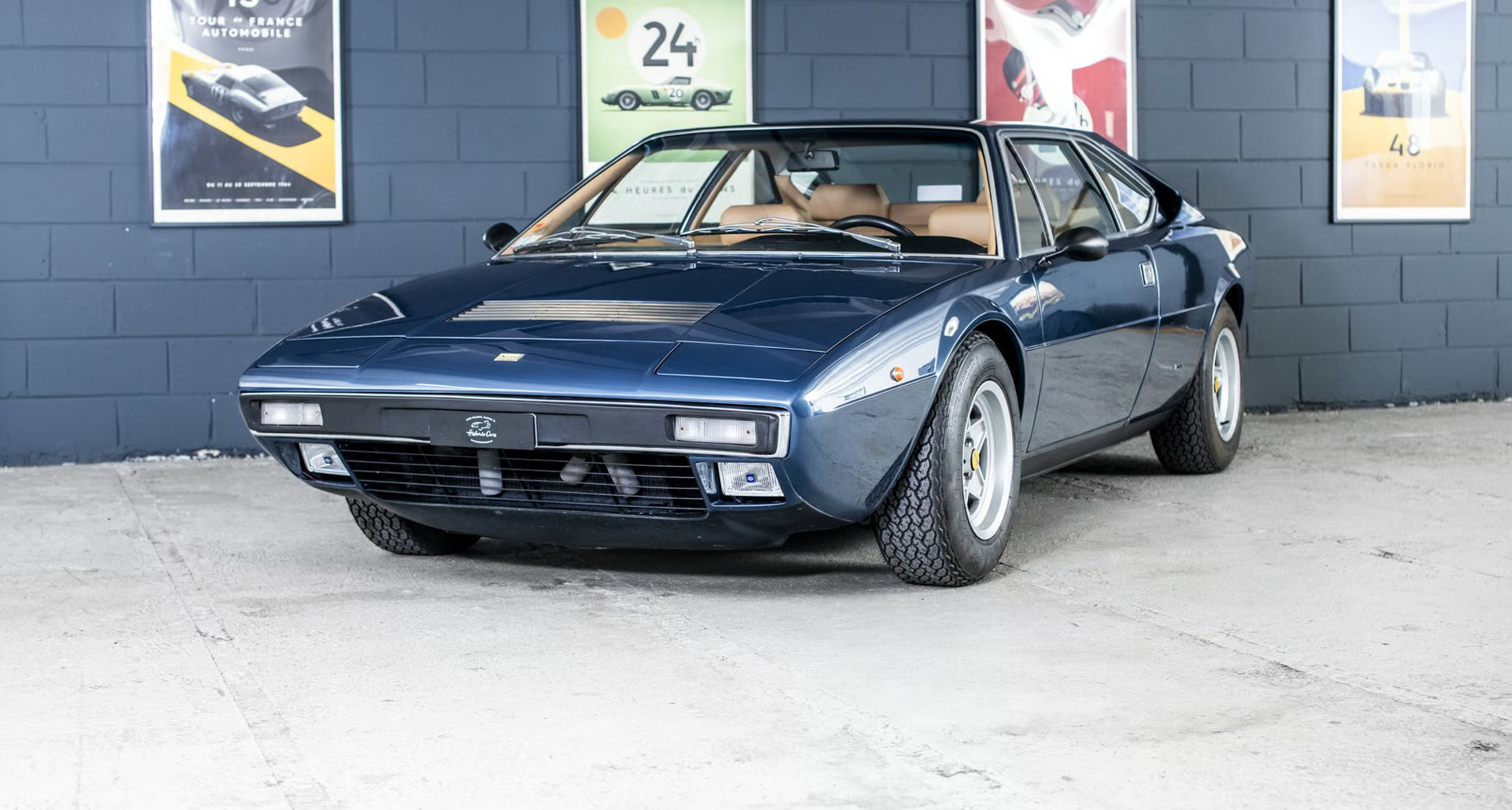
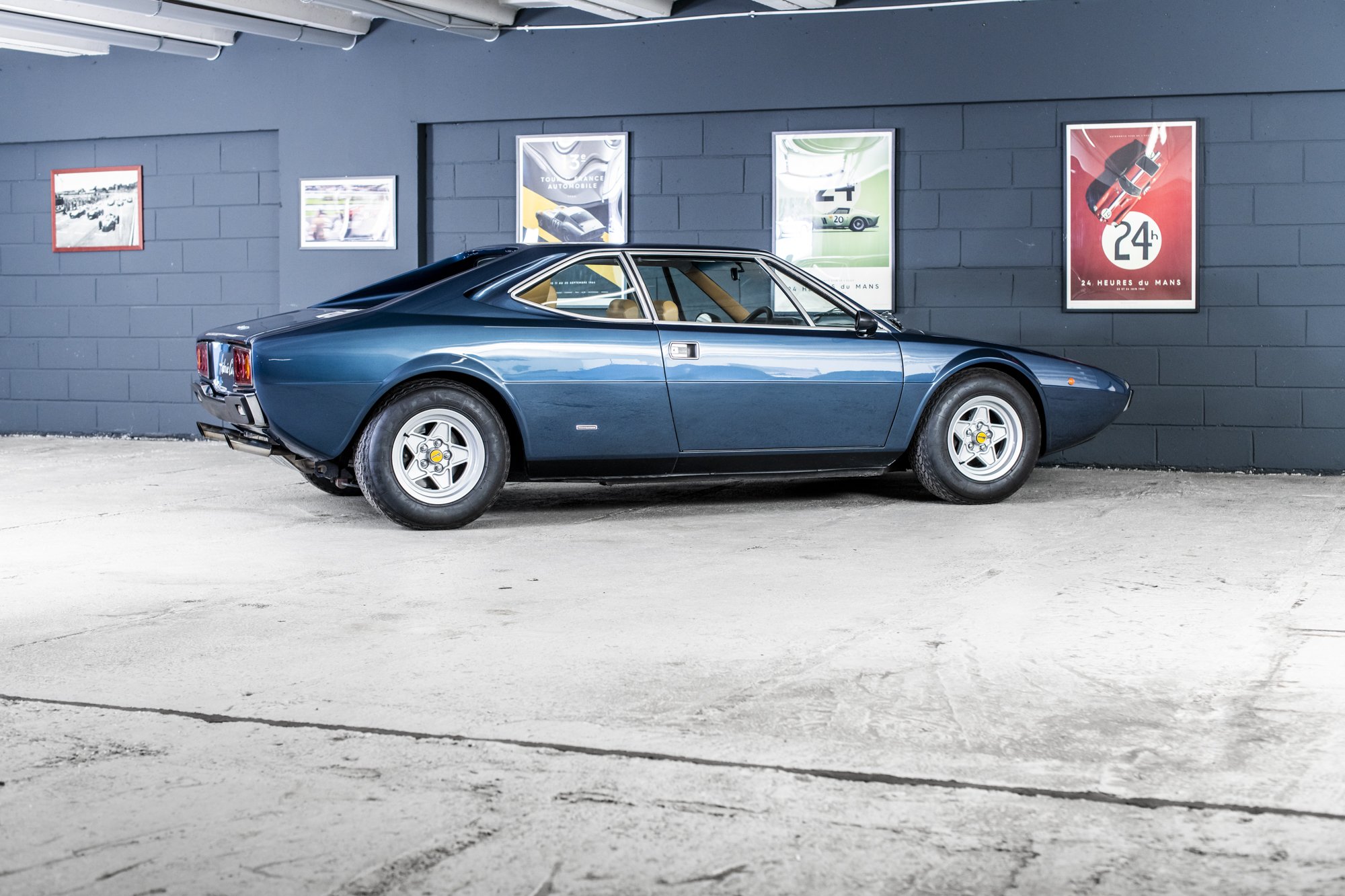
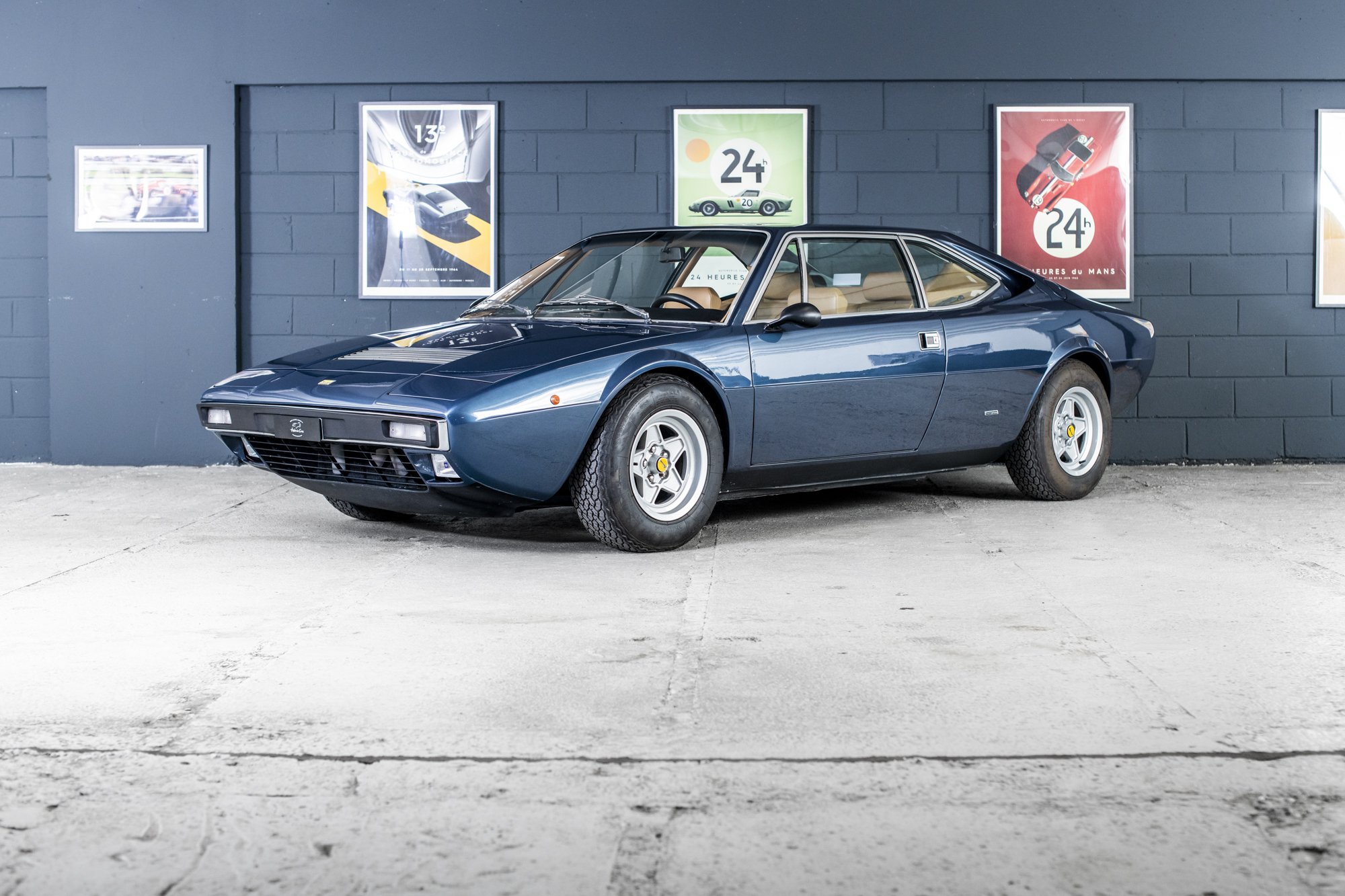
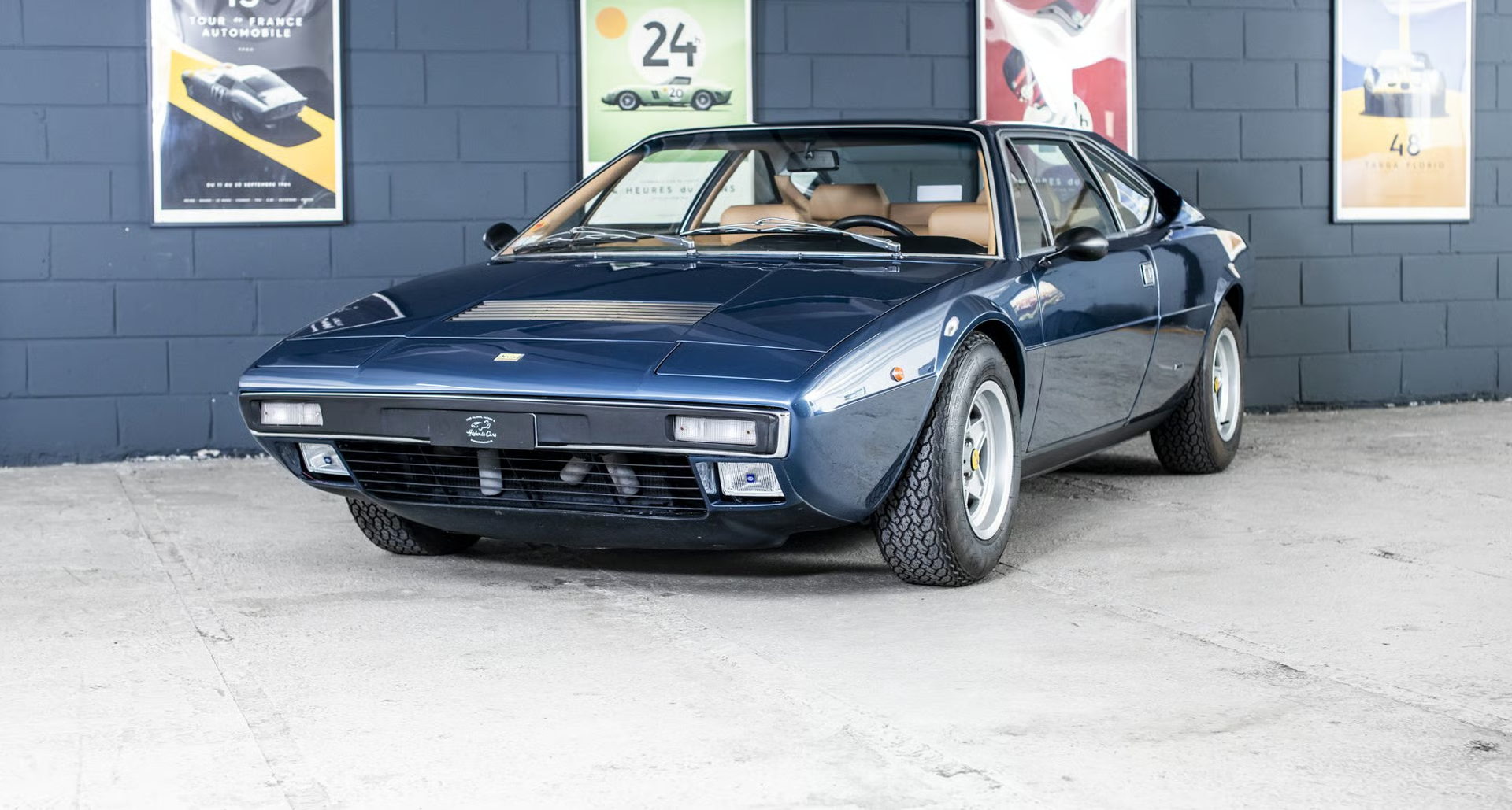
Year of manufacture 1976 Car type Coupé Condition Restored Location France Exterior colour Blue Paris Motor Show, 1973. After 20 years of exclusive collaboration with Pininfarina, Ferrari unveiled the Dino 308 GT4, a model equipped with a V8 engine imagined by Bertone. In his Turin workshop, Maestro Marcello Gandini accomplished a real feat: designing an attractive 2+2 with a rear mid-engine in a body just over 4.30 meters long.
The Dino 308 GT4 was the first completely new Ferrari model since Fiat took control of the Maranello production vehicle department in 1969. The successor to the 246 GT, it was presented at the 1973 Paris Motor Show. The 308 GT4 inaugurated a three-liter V8 (a return to the displacement of the 250 GT), which would be carried over to the 308 GTB. Unlike the V6 of the Dino 246, which was produced at Fiat, the 308's engine was made in Maranello. The four overhead camshafts are driven by two toothed belts, as on the 12-cylinder boxer engine. Mounted transversely in the center of the car, this engine (with wet sump) forms a unit with the gearbox and the self-locking differential. Fed by four Weber twin-barrel carburetors, it develops 250 bhp at 7,700 rpm, with the torque remaining at the same level.
Stock
2
Gallery
More angles
20 additional photos
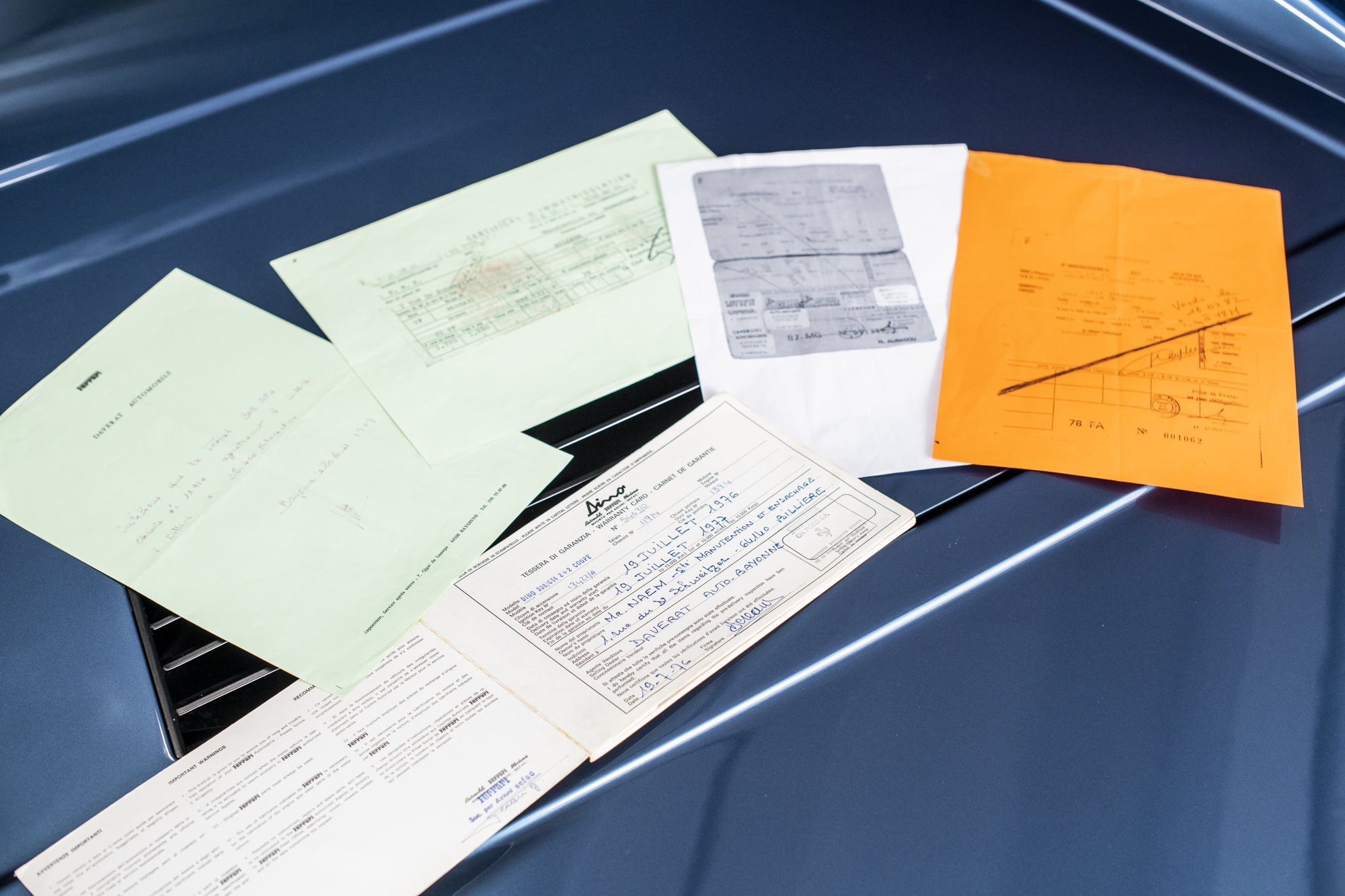
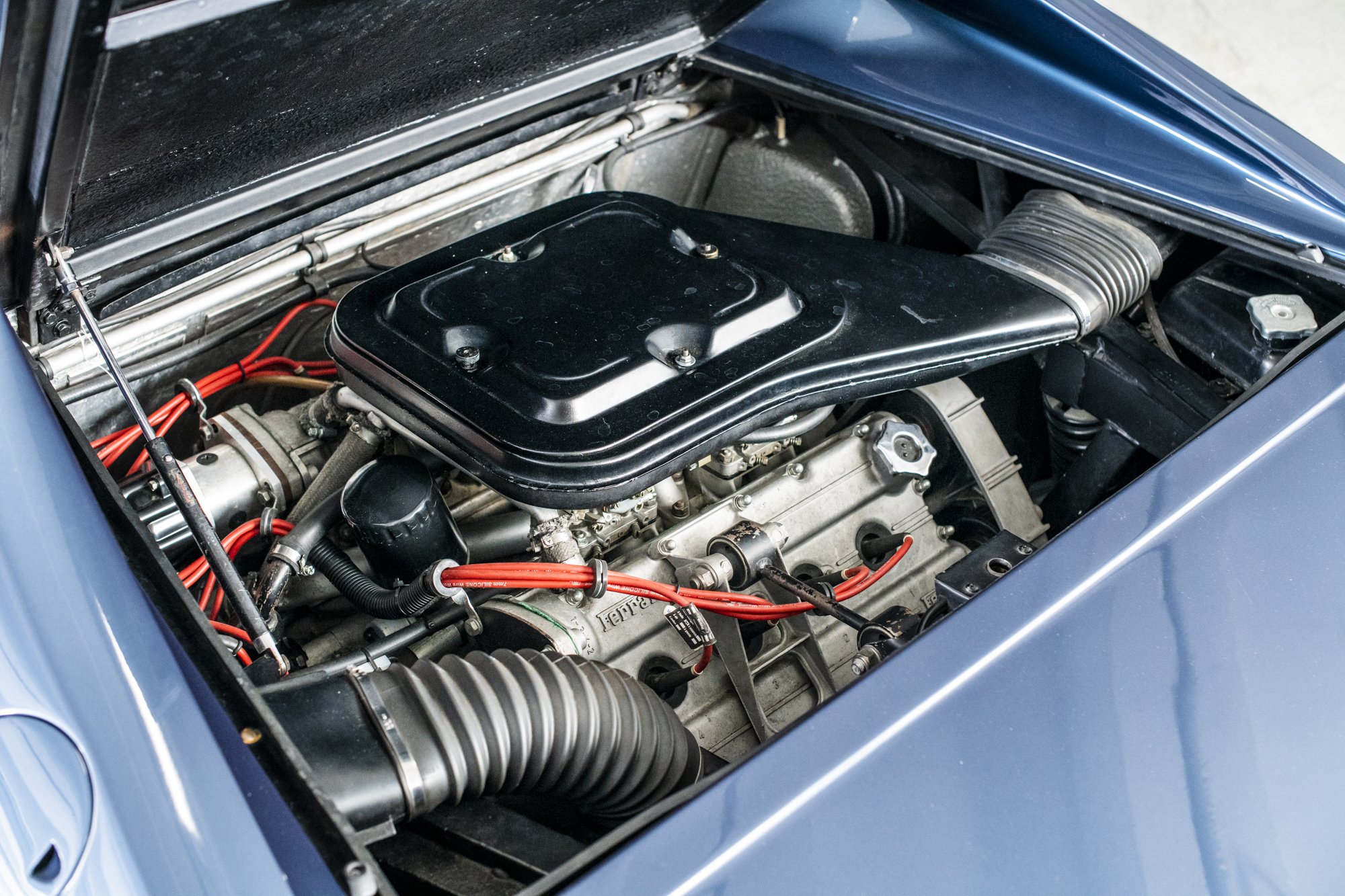
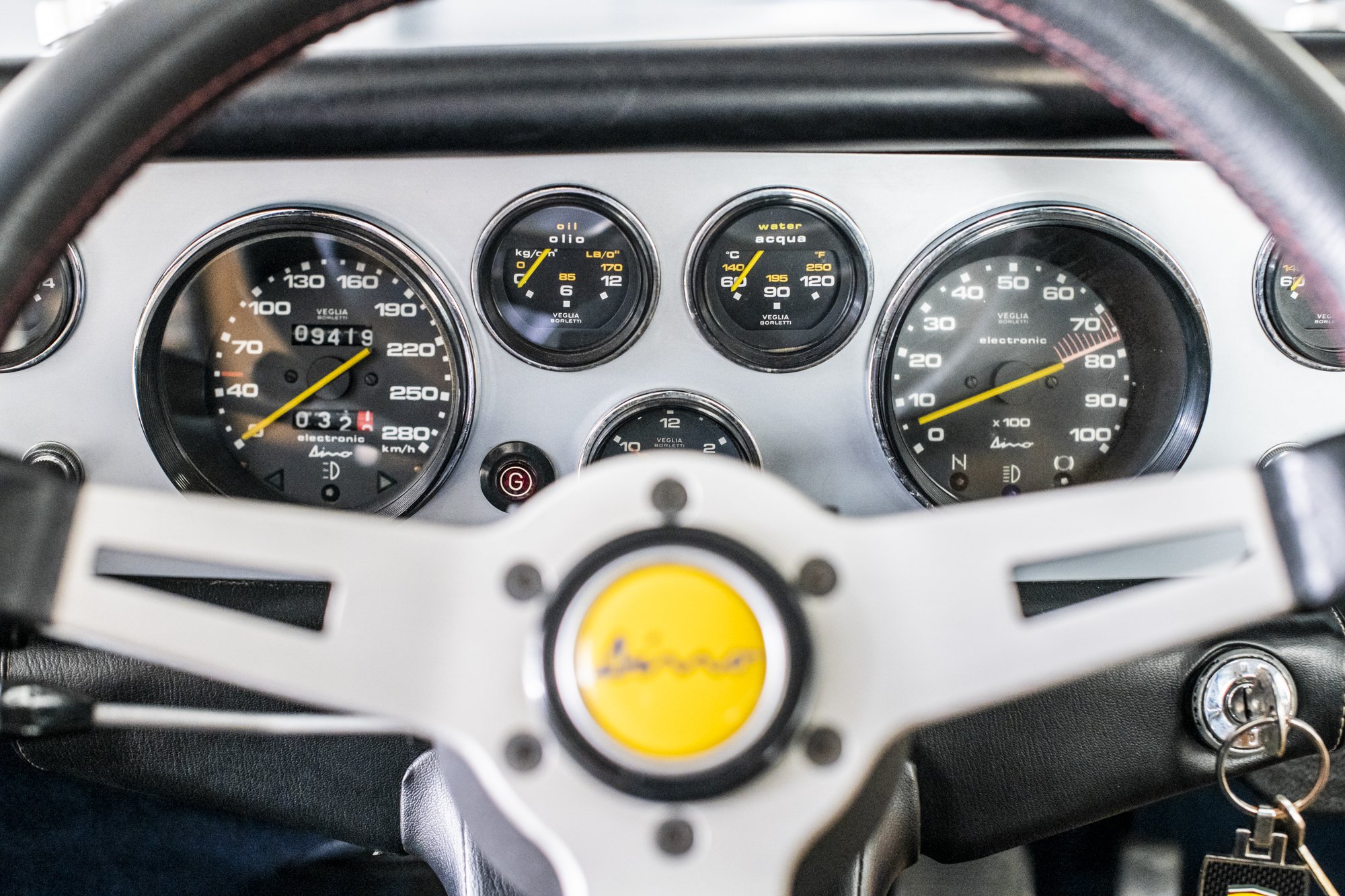
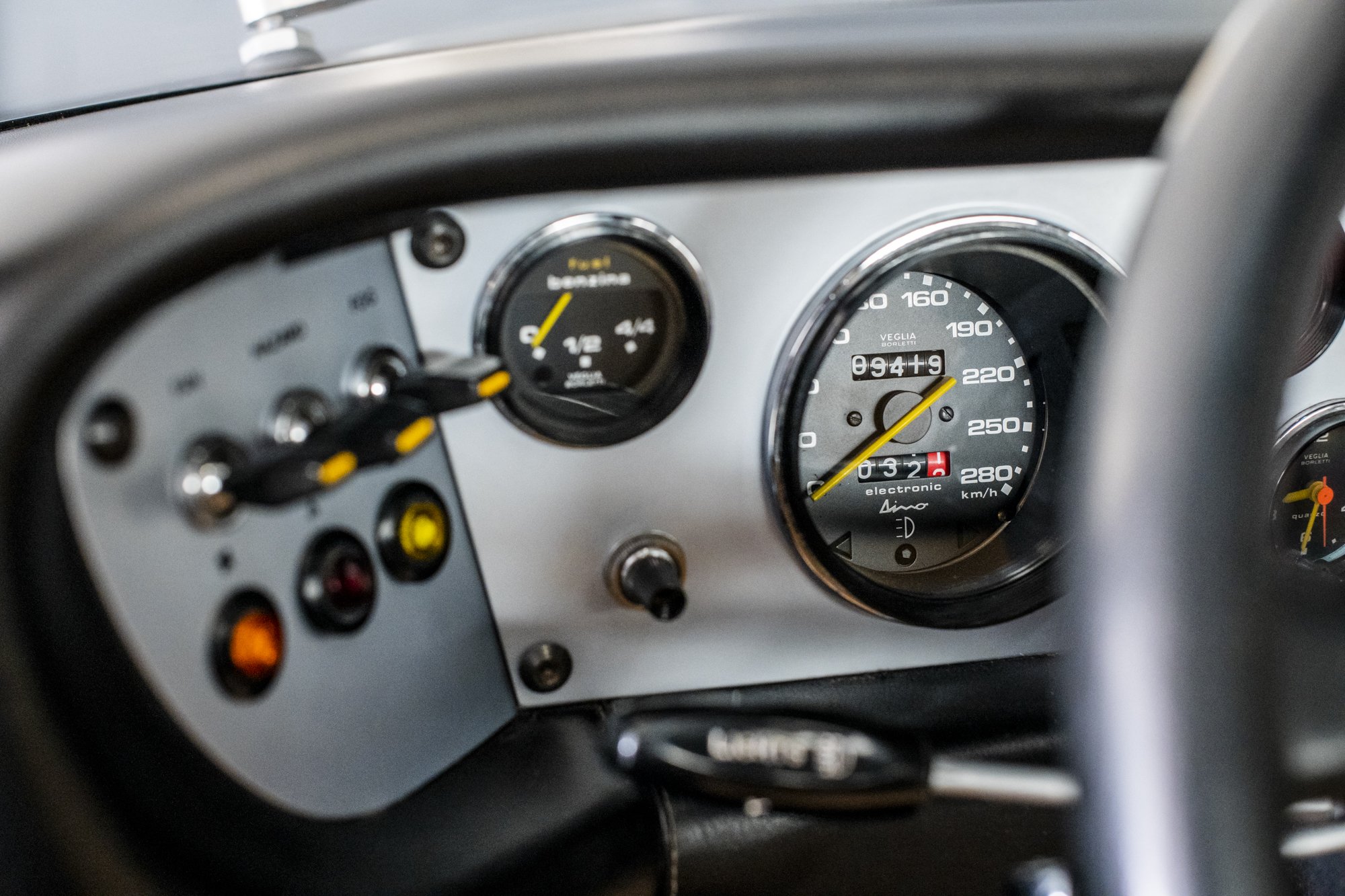
Description
Vehicle story
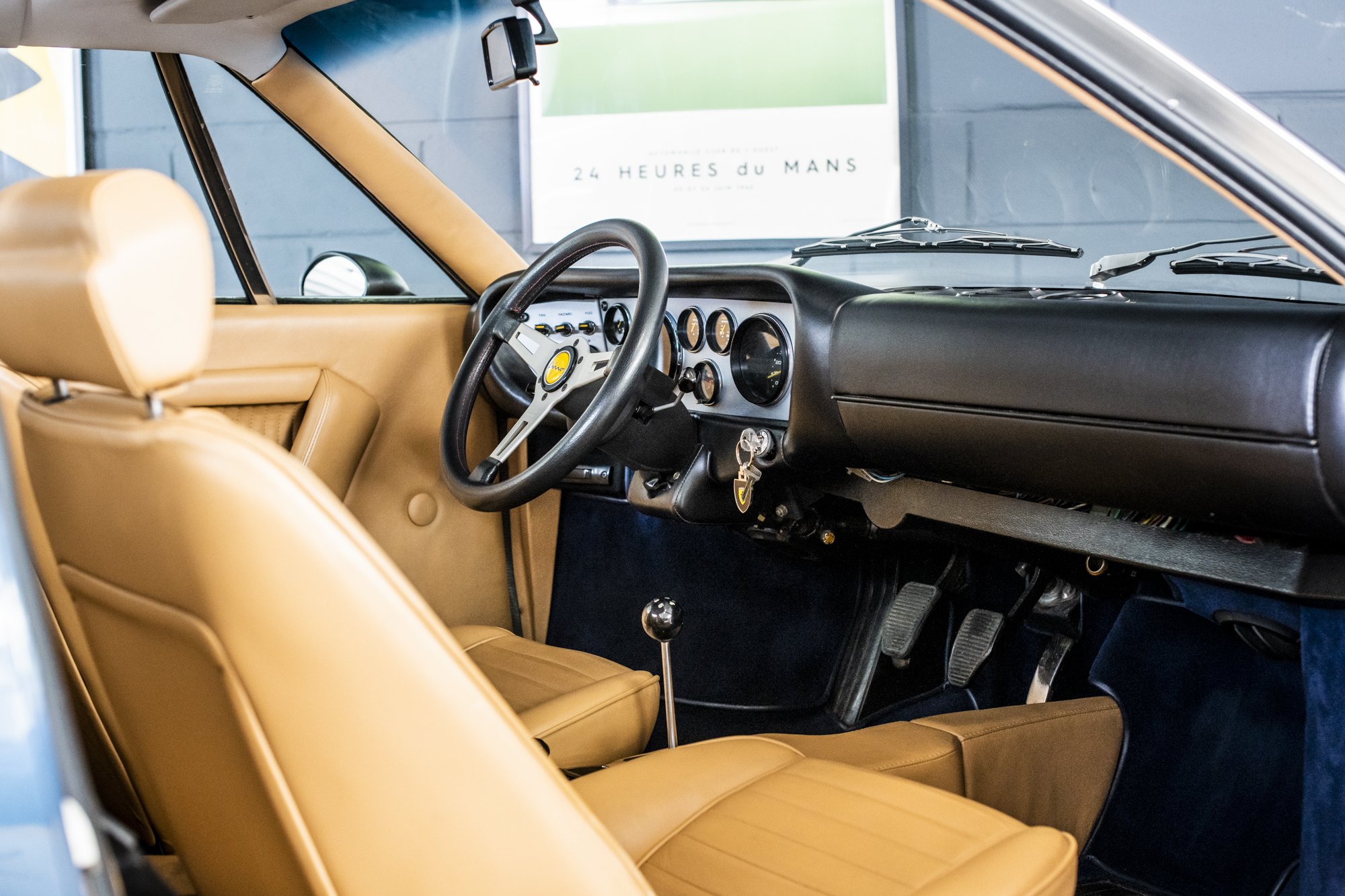
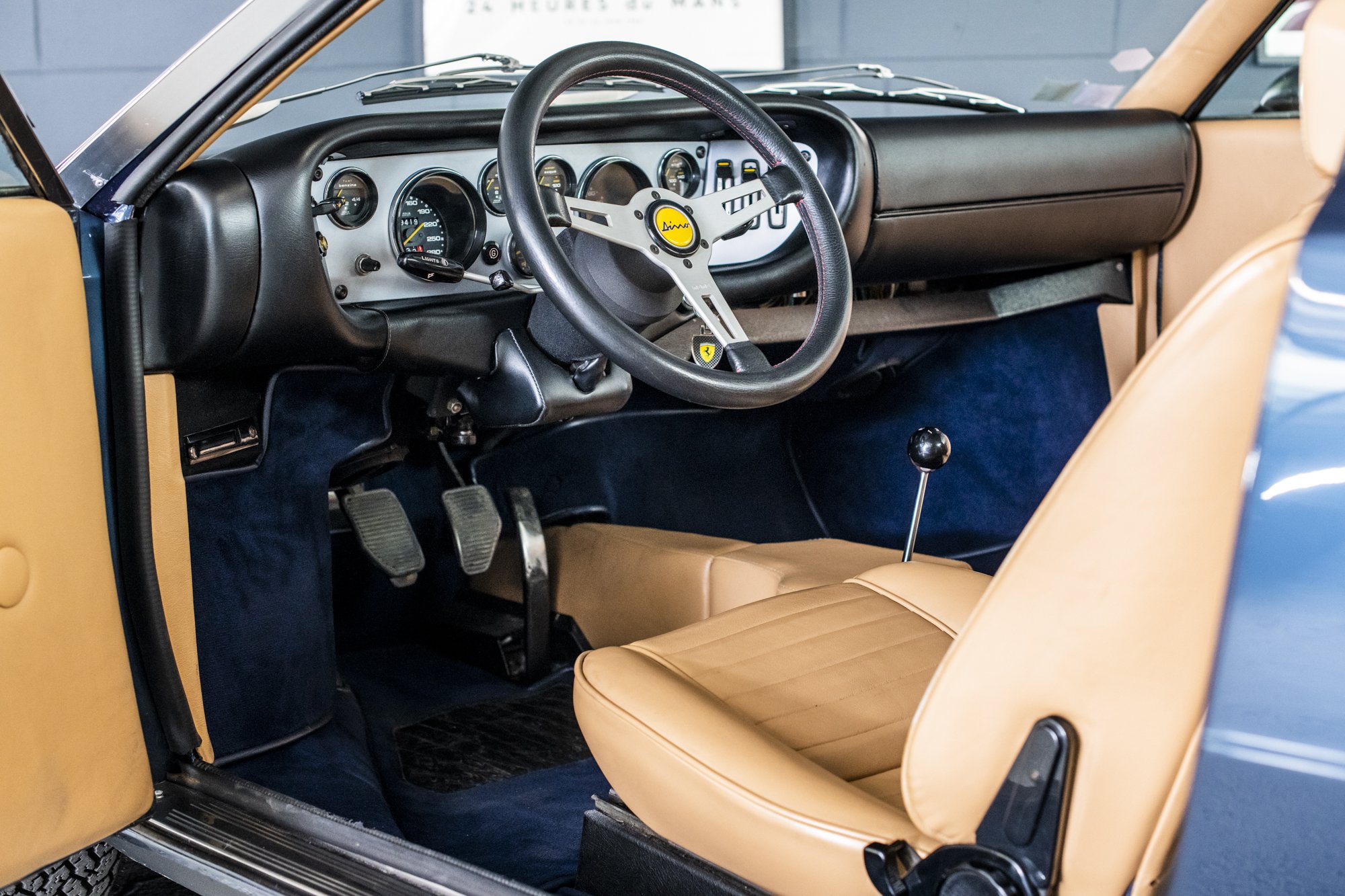
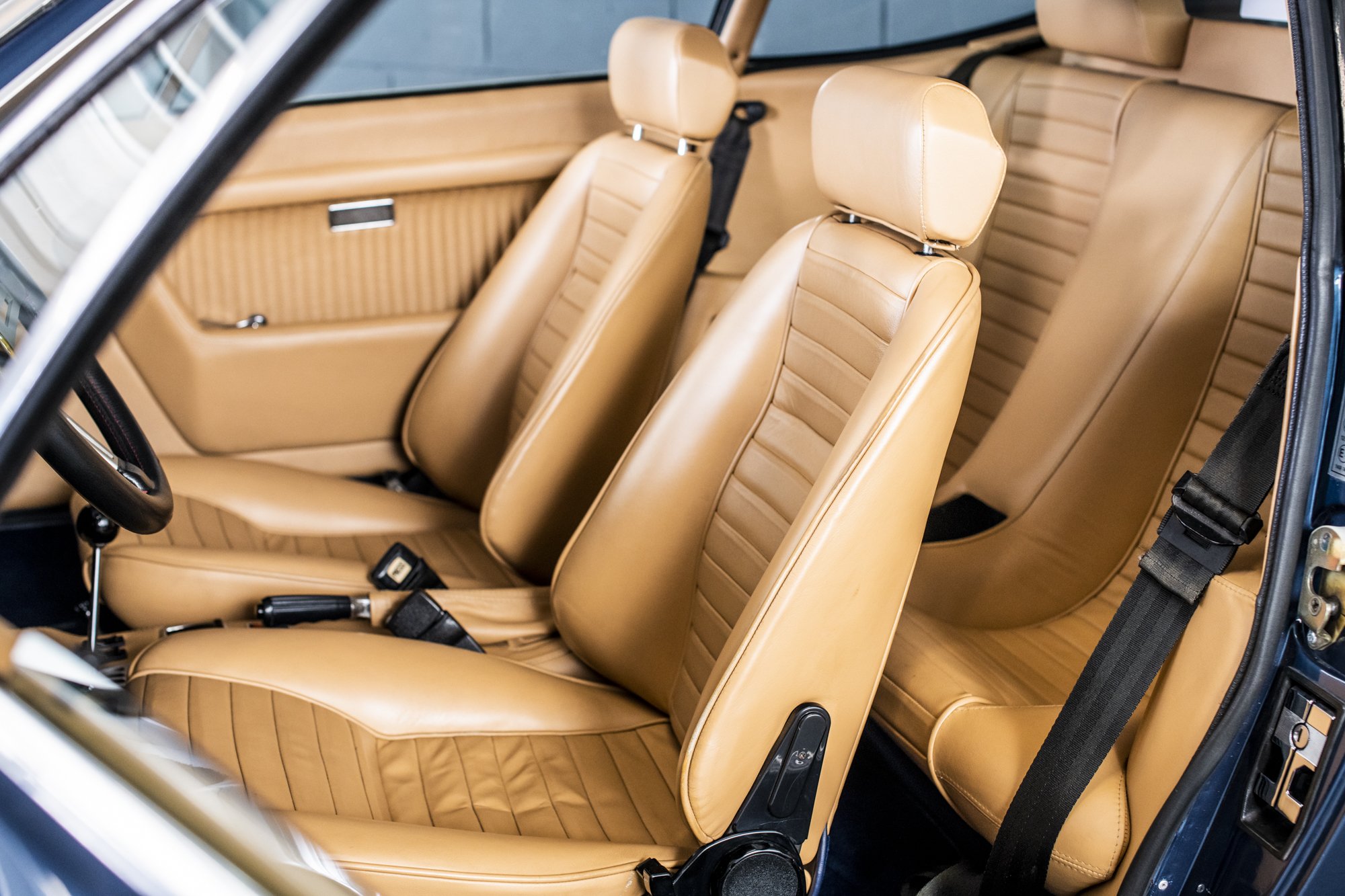
Another singularity, and not the least, is that the 308 GT4 is a 2+2. A daring concept and a risky aesthetic gamble! How do you fit four seats in a small car with a central rear en-gine without creating an ugly duckling? Pininfarina, Ferrari's resident designer since 1953, was hardly enthusiastic about the specifications. Nor was he tempted to take risks. So Bertone took the plunge! And we can only congratulate the coachbuilder from Turin, who acquitted himself remarkably well. Especially as the car is only ten centime-ters longer than the Dino 246. Quite a feat! According to Bertone, who had designed the Fiat Dino coupé, the collaboration with Ferrari came about at Fiat's suggestion.
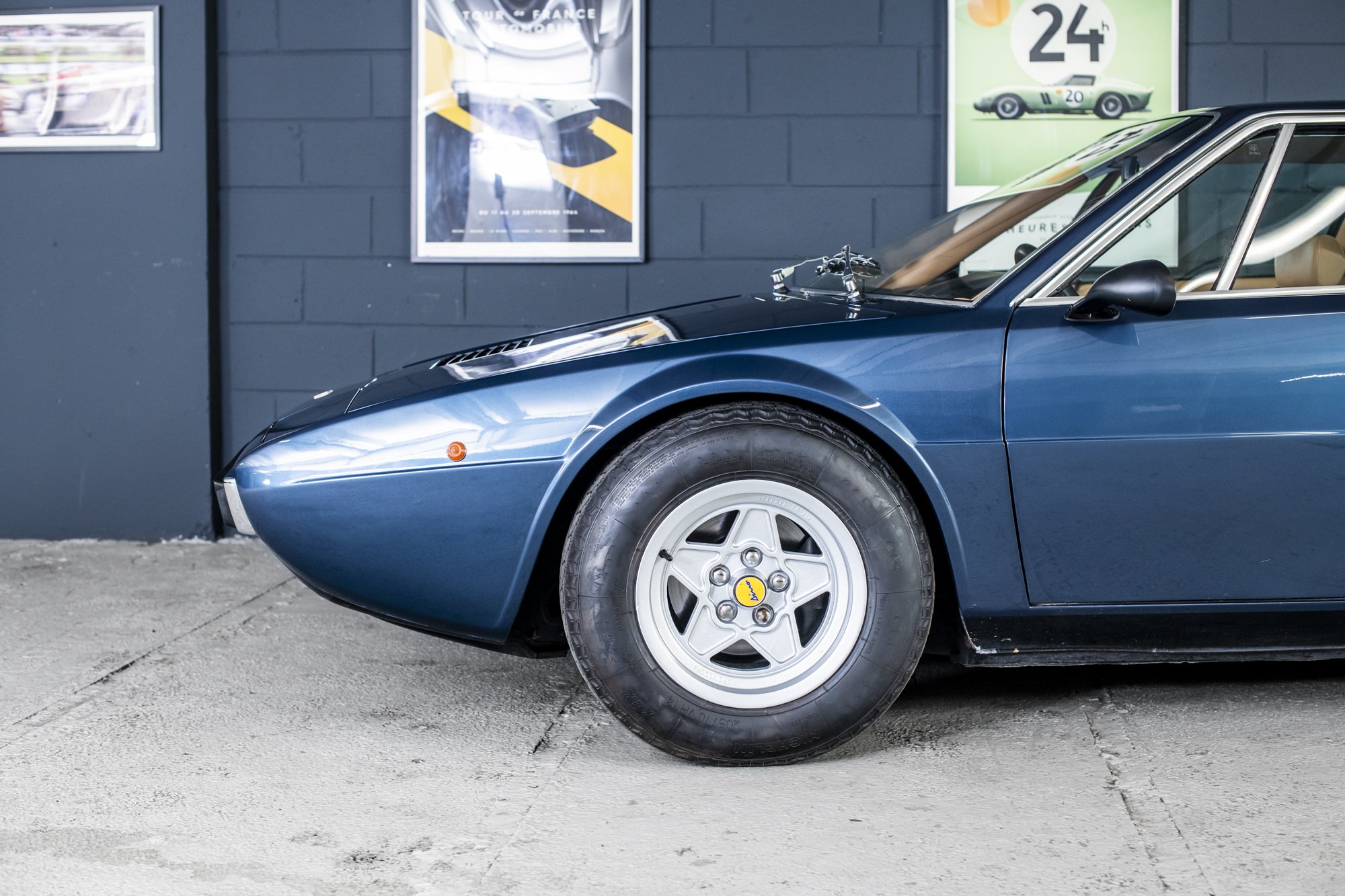
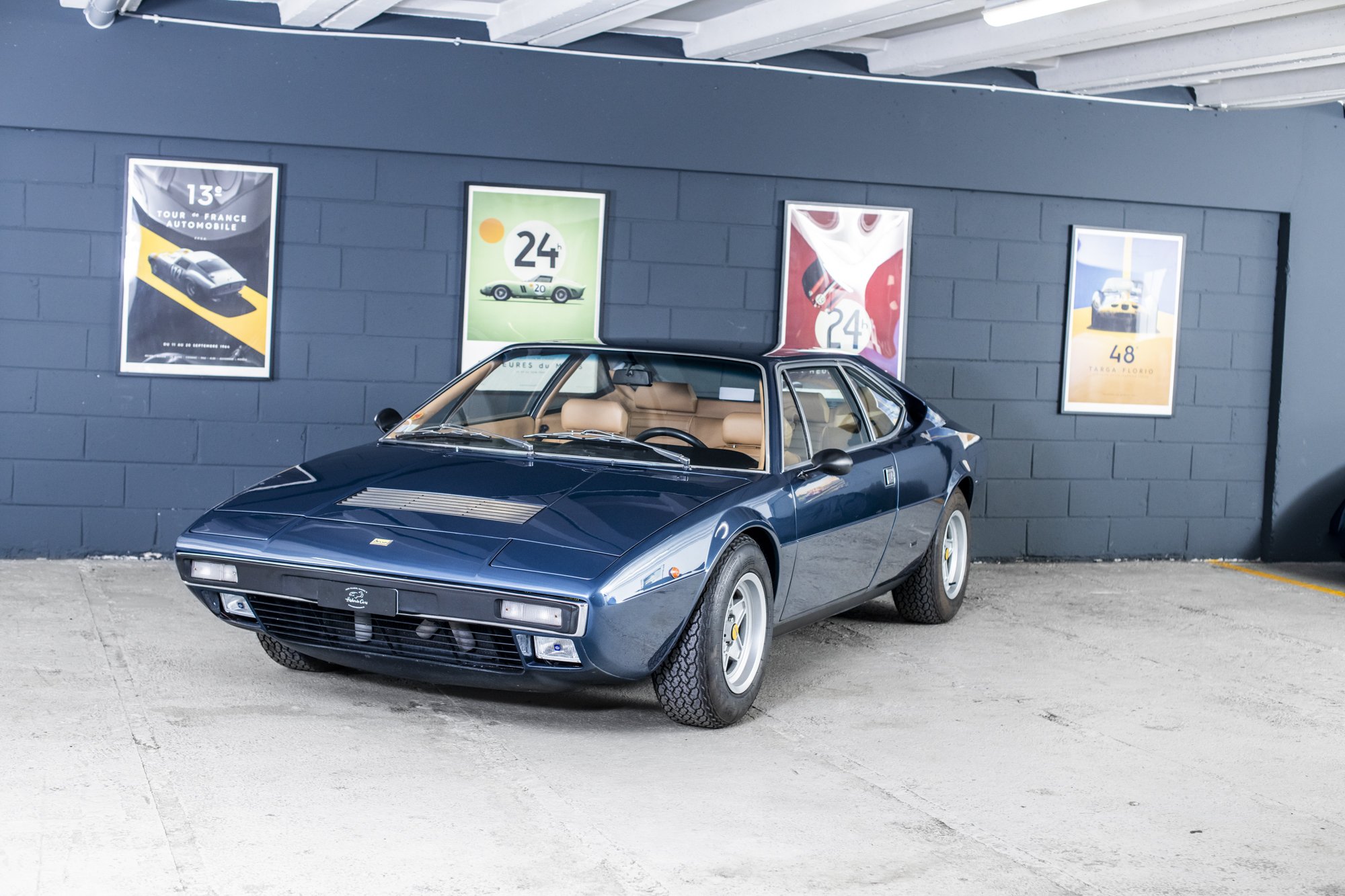
The car's slimline front end features a plunging bonnet and retractable headlamps, while a large rectangular air intake is positioned under the slim radiator grille. Beyond a very flat roof, a sleek stern ends in a reduced overhang. The rear window is set between long quarter-pillars to accommodate two hatches, one for the engine and the other for the luggage compartment. To accommodate two passengers in the rear, the 308 GT4's driving position has been moved forward and its wheelbase extended to 2.55 metres. The multi-tube chassis and suspension were inherited from the 246.
When production of the 246 GT/GTS ended in 1974, the 308 GT4 was the last model in the Dino range. It was also the only model that American Ferrari dealers could offer their customers, as the 365 GT4BB and 365 GT4 2+2 models were not homologated for that market.
So the only ‘Ferrari’ they sell doesn't even carry a Ferrari badge, and to make matters worse, its performance is muzzled by emissions control equipment. This didn't help sales, so in mid-1975 the factory asked US dealers to install Ferrari badges on stock cars. Vehicles that had not yet left the factory were fitted with Ferrari badges, with the Dino only appearing on the boot. As a result, some vehicles on the American market bore both Ferrari and Dino badges.
In 1975, Ferrari launched the 208 GT4, a version reserved exclusively for the Italian mar-ket and reduced to two liters for tax reasons (reduced VAT). Power was increased to 170 bhp and the top speed was limited to 200 km/h. Externally, the only difference between the car and the 308 was the absence of fog lamps in the ra-diator grille and a single tailpipe.
Although Ferrari entrusted the design of the 308 GTB - presented in 1975 and produced alongside the 308 GT4 - to Pininfarina, Bertone offered a spider based on the 308 GT4 at the 1976 Turin Motor Show. Called the Rainbow, this strict two-seater with a wheelbase ten centimeters shorter could have been the model missing from the Ferrari range since the withdrawal of the 246 GTS. The Rainbow is an interesting exercise, very much in the style of the Bertone bodywork of the time. Ultra-modern, the sharp design uses only straight lines and sharp angles (the wedge-shaped line inherited from the Carabo and Marcello Gandini's Stratos), a bias that is even reflected in the design of the wheels! What's more, this concept car features an ingenious device: a hard top positioned be-hind the seats transforms the car into a coupé-spider, simply by being tilted into the closed position by the driver using a simple control.
The Dino brand came to an end in 1976, when the prancing horse replaced the Dino logo on the 308 GT4, which now bore the Ferrari badge. At the same time, the car received a number of detailed modifications to the radiator grille and passenger compartment.